
Caustic soda (sodium hydroxide, NaOH) and caustic potash (potassium hydroxide, KOH) are both strong alkalis that neutralize acids, saponify fats and clean. Caustic soda is the default choice for most pH control, cleaning and industrial processing; caustic potash is chosen when you need potassium in the product, softer or liquid soaps, higher solubility or specific reactions such as some biodiesel and potassium salt production.
Because potassium is heavier than sodium, you need roughly 1.4 times as much KOH by weight to deliver the same alkalinity as NaOH. That simple ratio matters when you compare products or switch between them.
What are caustic soda and caustic potash used for?
Caustic soda is used in:
- pH adjustment and neutralization in water treatment and wastewater.
- Alkaline cleaners, clean-in-place (CIP) systems and bottle washing.
- Bar soap manufacture, pulp and paper, textiles, alumina and many chemical syntheses.
Caustic potash (also listed as potassium hydroxide) is used in:
- Liquid and soft soaps, where potassium soaps stay softer and more soluble.
- Production of potassium salts, such as potassium carbonate and potassium phosphates.
- Some biodiesel processes, alkaline battery electrolytes and specialty cleaners.
- Fertilizers and agriculture where potassium is a nutrient.
How do they differ chemically?
Both are strong bases that dissociate completely in water. The differences are practical:
- Molecular weight: NaOH is about 40 g/mol and KOH about 56 g/mol, so equal weights do not give equal alkalinity.
- Solubility: KOH is more soluble in water and in some alcohols.
- Soap character: sodium soaps are harder; potassium soaps are softer and more soluble.
- Cation in the product: choose by whether sodium or potassium is wanted (or unwanted) in your final product or wastewater.
In what forms are they supplied?
Caustic soda is commonly sold as a 50% solution and as a 25% solution, and as solid beads, flakes or pellets. Caustic potash is commonly sold as a 45% solution and as flakes. Solutions are convenient for metered dosing; solids reduce freight weight and suit dry blends and small users. Note that 50% caustic soda can begin to solidify at cool temperatures, so outdoor tanks and totes may need heating or a lower-strength solution in winter.
How should I choose between them?
- What does the product need? If the final product should contain potassium, or should be a soft or liquid soap, choose KOH.
- What does your process tolerate? Sodium or potassium in wastewater, scale, or product specifications can decide.
- What form suits your equipment? Compare solution strength, freezing behavior and storage.
- Compare on an alkalinity basis. Convert to the same neutralizing capacity before comparing quotes.
How should caustic be handled safely?
Both are highly corrosive to skin and eyes and generate heat when dissolved in water or mixed with acids. Always add caustic to water slowly, never water to solid caustic. Use the PPE in Section 8 of the SDS, compatible storage materials and secondary containment. See our guide to storing drums and totes.
Which other alkalis should I consider?
For milder pH control or buffering, consider soda ash, sodium bicarbonate, lime or potassium carbonate. Browse our essential chemicals and ingredients and sodium salts categories.
How can I buy caustic in bulk?
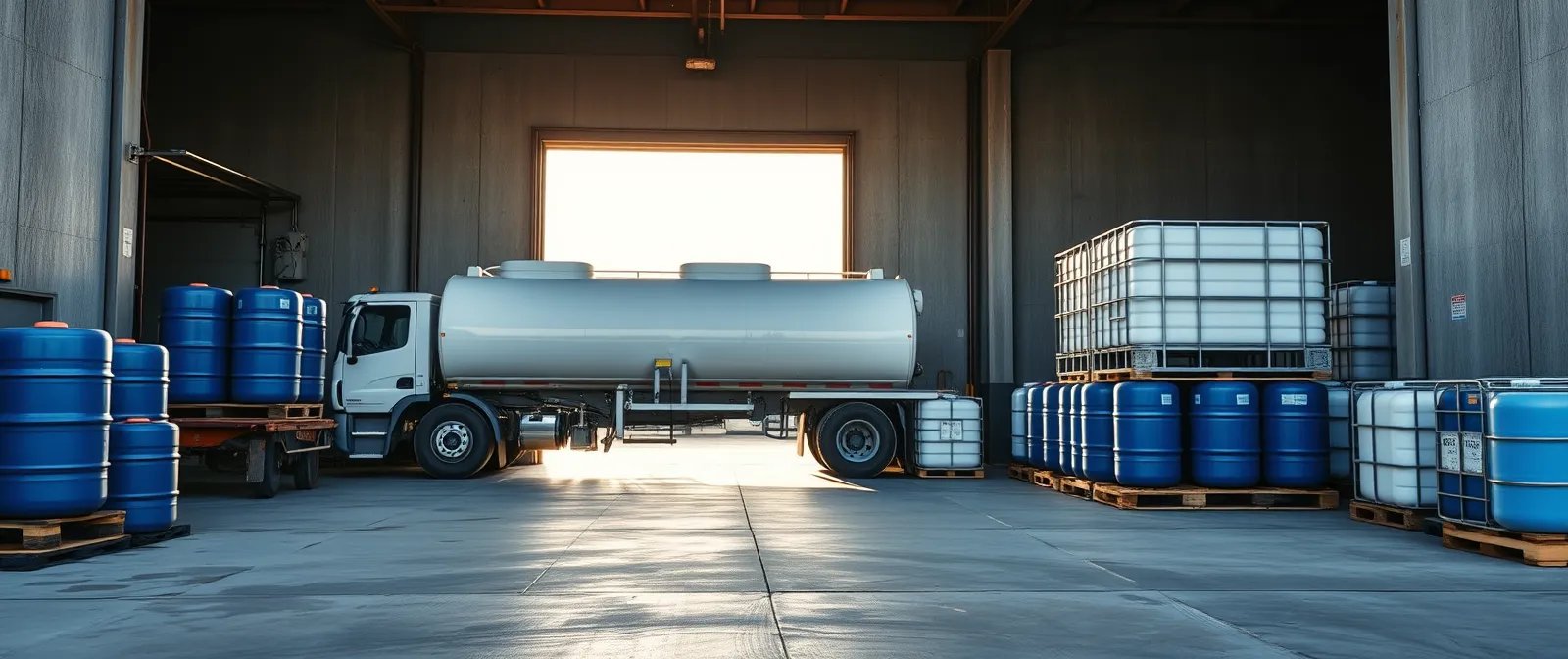
NTC supplies caustic soda and caustic potash as solutions and solids, in drums, totes, bags and bulk truck, from distribution locations around the country and direct from chemical manufacturers. Request a quote with the strength, form, quantity and delivery location.
Frequently asked questions
Is lye the same as caustic soda?
"Lye" usually means sodium hydroxide, though it is sometimes used for potassium hydroxide too. Check the chemical name and CAS number.
Can I replace caustic soda with caustic potash one for one?
Not by weight. You need about 1.4 times as much KOH for the same alkalinity, and the product will contain potassium instead of sodium.
Why does 50% caustic soda freeze in winter?
Concentrated sodium hydroxide solution starts to crystallize at relatively mild temperatures. Heated storage or a lower concentration avoids the problem.
Which is better for cleaning?
Caustic soda is the most common choice for industrial cleaning. Caustic potash is used where higher solubility or a potassium-based formula is preferred.
Request a quote
Tell us the product, grade, quantity, packaging and delivery location through the quote form, email sales@nanotechnologychemicals.com or call 704-659-3682. All pricing is by quote.
NTC is based in the Charlotte, NC area and ships nationwide. Products ship from distribution locations around the country and also direct from chemical manufacturers. Browse the product categories or the industries we serve.