
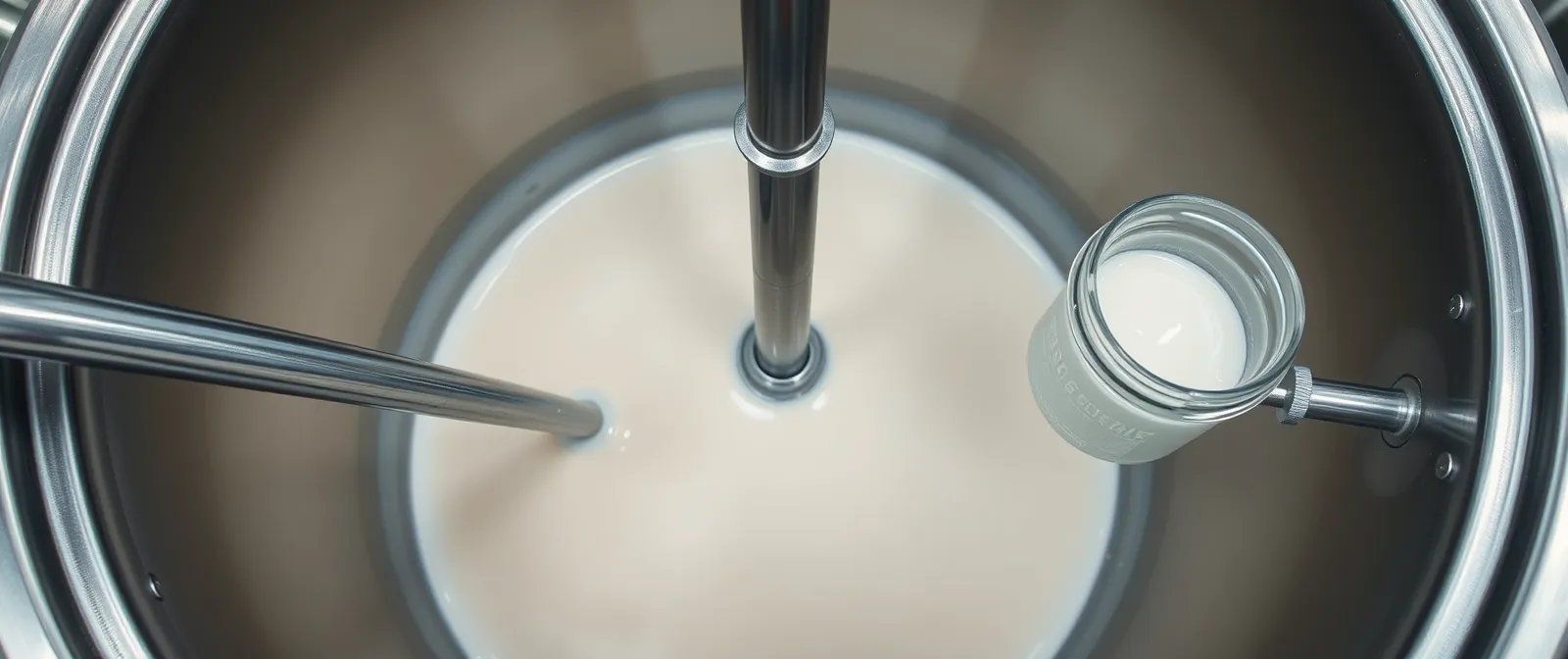
Chemical blending combines two or more materials into one product that performs the same way every time. Whether it is a cleaning concentrate, a water treatment mix or an industrial additive, the quality of the blend depends on the formulation, the order of addition, the mixing method and how the batch is tested and packaged. This guide explains the main types of blending and what to prepare for a custom blend.
Liquid blending
Liquid blends include water-based solutions, emulsions and solvent-based mixtures. Important factors are the order in which materials are added, how fast and how long they are mixed, and the temperature. Some ingredients dissolve slowly or react when combined, so the procedure matters as much as the recipe. Typical checks include pH, viscosity, density (specific gravity) and appearance.
Dry blending
Dry blends combine powders and granules. The goal is an even mix, so particle size and density matter: very different particles can separate during handling and shipping. Dust control and moisture are also concerns, because some powders absorb water and cake. Dry blends are normally checked for uniformity and packaged into bags or supersacks.
What affects blend quality
- Raw material quality: grade, concentration and consistency from batch to batch.
- Procedure: a written method for the order of addition, mixing time and conditions.
- Testing: agreed release tests and retained samples for each batch.
- Packaging and labeling: the right container, clean filling and correct labels.
Custom blending at NTC
NTC offers custom chemical blending for companies that want a consistent mix made to their own formulation, with liquid and dry blends packaged the way you need. We can source ingredients from our product range, or you can supply the materials, which is toll blending. We can sign a confidentiality agreement before you share a formulation.
What to send for a blend quote
- The formulation or target specification.
- Whether you will supply any materials, and their SDS.
- Batch size and expected annual volume.
- The tests you want for release, such as pH, viscosity or specific gravity.
- Packaging, labeling and delivery location.
Blends can also be packaged under your own brand; see private label. Pricing is always by quote because it depends on the materials, batch size and packaging.
Scaling a blend from the lab to production
A recipe that works in a beaker does not always behave the same way in a larger tank. Heat from mixing, slower dissolving, foaming, and settling of heavier ingredients can all change at scale. For that reason it helps to run a trial batch before committing to full volume, and to record exactly what was done: the order of addition, the mixing speed and time, the temperature and the test results. If the trial passes, the same written procedure becomes the standard for every later batch. If it does not, you have found the problem at a small and inexpensive scale. Share any known sensitivities, such as materials that react with each other or products that must not freeze, when you ask for a quote so they can be planned for from the start.
Request a quote
Tell us the product, grade, quantity, packaging and delivery location through the quote form, email sales@nanotechnologychemicals.com or call 704-659-3682. All pricing is by quote.