
Fatty acids and fatty alcohols are both oleochemicals made from natural fats and oils, but they are different chemicals with different jobs. Fatty acids are carboxylic acids used in soaps, metal soaps, lubricants, rubber, plastics and coatings; fatty alcohols are made by converting fatty acids or their methyl esters and are used mainly as surfactant raw materials, emollients and thickeners.
For buyers, the key choices are chain length, feedstock source, purity and form. Getting those right matters more than the general name on the order.
How are fatty acids made?
Fatty acids are produced by splitting natural triglycerides, the fats and oils from plants or animals, into fatty acids and glycerin. The mixture is then distilled and often fractionated to separate chain lengths. Common sources include coconut, palm kernel, palm, soybean, canola, sunflower, tallow and tall oil, the last being a by-product of pine pulping. Examples in our catalog include coconut fatty acids, soya fatty acid, tall oil fatty acid, oleic acid and stearic acid.
How are fatty alcohols made?
Fatty alcohols are usually made by hydrogenating fatty acids or fatty acid methyl esters, which converts the acid group into an alcohol group. Some fatty alcohols are made from petrochemical feedstocks instead. Common products include lauryl alcohol (C12), cetyl alcohol (C16), cetyl-stearyl alcohol (C16-18) and stearyl alcohol (C18).
Why does chain length matter?
Chain length, written as the number of carbon atoms (C8, C12, C18 and so on), drives physical properties. Shorter chains are more liquid and more water-compatible; longer chains are waxier, with higher melting points. In surfactants, C12 to C14 chains give strong foaming and cleaning, while C16 to C18 chains give conditioning and thickening. Saturated chains are more stable; unsaturated chains such as oleic and linoleic stay liquid at lower temperatures but are more prone to oxidation.
Where are fatty acids used?
- Soaps and metal soaps such as calcium and zinc stearate.
- Rubber compounding, where rubber-grade stearic acid is a common activator.
- Lubricants, greases and metalworking fluids.
- Alkyd resins and coatings, often from tall oil and soya acids.
- Candles, cosmetics, plastics processing aids and many specialty esters.
Where are fatty alcohols used?
- Raw materials for surfactants such as alcohol sulfates and ethoxylates.
- Emollients and thickeners in creams and lotions; see beauty and personal care.
- Lubricant additives, plasticizer alcohols and defoamers.
What should I specify when buying oleochemicals?
Write down:
- Chain length distribution, not just the name.
- Feedstock, such as vegetable-derived, tallow-derived or tall oil, which matters for customer requirements and certifications.
- Key values: acid value, iodine value, titer or melting point, color and moisture.
- Certifications such as kosher, halal or sustainability schemes.
- Form: liquid, flake, bead or pastille, and whether you need heated delivery for products that are solid at room temperature.
Our chemical grades guide explains food and USP grades where those apply.
How are oleochemicals delivered?
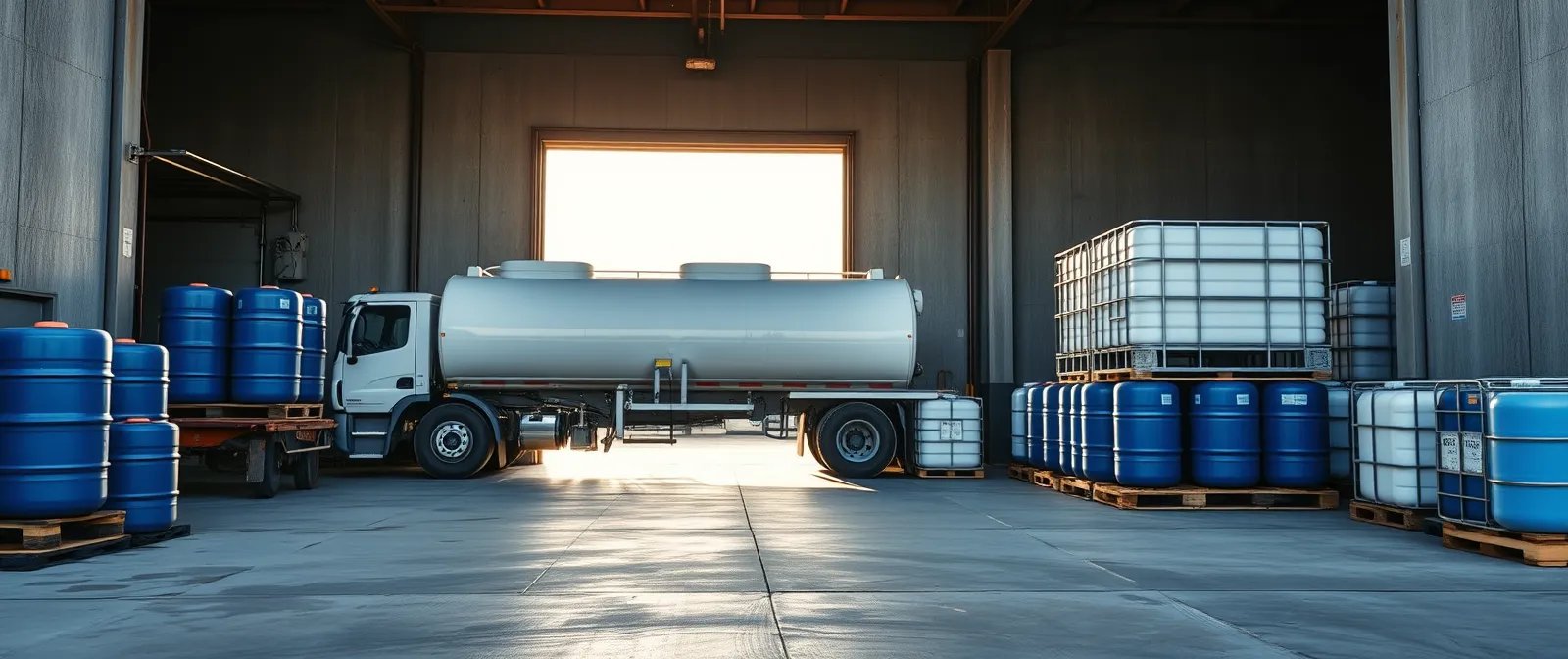
Solid products such as stearic acid and cetyl alcohol are commonly supplied in bags on pallets. Liquids are supplied in drums, totes and bulk; some need heated tanks or heated trucks. NTC supplies oleochemicals from distribution locations around the country and also direct from chemical manufacturers. Browse the oleochemicals category and our sustainable products.
Frequently asked questions
Is glycerin a fatty acid?
No. Glycerin is the co-product released when triglycerides are split into fatty acids. See our refined glycerine.
What does iodine value tell me?
Iodine value measures unsaturation. A higher value means more double bonds, a lower melting point and more sensitivity to oxidation.
Are fatty alcohols always plant-based?
No. They can be made from plant oils, animal fats or petrochemicals. Specify the source if it matters to you.
Can I get vegetable-derived oleic and stearic acid?
Yes, both are available in vegetable-derived grades, along with tallow-derived options.
Request a quote
Tell us the product, grade, quantity, packaging and delivery location through the quote form, email sales@nanotechnologychemicals.com or call 704-659-3682. All pricing is by quote.
NTC is based in the Charlotte, NC area and ships nationwide. Products ship from distribution locations around the country and also direct from chemical manufacturers. Browse the product categories or the industries we serve.