
Mineral spirits are petroleum-based solvents used to thin paints, clean equipment and formulate coatings and cleaners. The main types differ in aromatic content and odor: regular mineral spirits have the strongest solvency and odor, odorless mineral spirits are highly refined with very low aromatics, and Rule 66 grades limit aromatic content to reduce photochemical reactivity. Separate "exempt" and "non-exempt" labels relate to VOC rules in the area where the product is sold.
Choosing the right type affects solvency, drying time, odor, worker comfort and regulatory compliance.
What are mineral spirits used for?
Mineral spirits are used as:
- Thinners and solvents in alkyd paints, stains, varnishes and wood finishes.
- Cleaning solvents for brushes, equipment, parts washing and degreasing.
- Carriers in waxes, polishes, wood preservatives and some agricultural products.
- Diluents in inks, adhesives and sealants.
See the coatings, adhesives and sealants industry page for related materials.
How do the main types compare?
- Regular mineral spirits: good general solvency, faster to dissolve resins and soils, with a noticeable odor.
- Odorless mineral spirits: very low aromatic content and a mild odor, preferred for indoor use, artist and consumer products, and cleaners where odor matters. Solvency is somewhat lower.
- Rule 66 mineral spirits: formulated to meet aromatic limits historically set to reduce smog-forming reactivity; still used where specifications call for it.
- Non-exempt mineral spirits and VOC-exempt blends: labels relating to whether a product counts toward VOC limits under the rules where it will be used. Check the regulations in your market.
Our catalog also includes low odor base solvent, mineral seal oil and isoparaffinic fluids for applications that need a cleaner odor profile.
What properties should I compare?
- Solvency (often expressed as Kauri-butanol value): higher means stronger solvency.
- Aromatic content: affects odor, solvency and regulatory treatment.
- Distillation range and evaporation rate: control drying time.
- Flash point: affects flammability classification, storage and shipping.
- Odor: matters for indoor and consumer use.
Compare these on the specification sheet and SDS rather than relying on the product name. Products sold under the same general name can differ.
How do VOC rules affect mineral spirits?
VOC (volatile organic compound) rules limit the solvent content of paints, coatings and consumer products in many states and air districts. Mineral spirits are generally VOC solvents, so formulators may need to reduce their use, use exempt solvents in part of the formula, or move to waterborne systems. Rules vary by location and product category, so check the requirements that apply where your product is sold.
Are there alternatives to mineral spirits?
Depending on the job, alternatives include isoparaffinic solvents, d-limonene, methyl soyate, ethyl lactate and some glycol ethers. Each changes solvency, drying and odor, so test before switching. See our sustainable products for bio-based options.
How should mineral spirits be stored and handled?
Mineral spirits are flammable or combustible liquids. Store them in approved containers away from ignition sources, bond and ground during transfer, and provide ventilation. Rags soaked with oil-based finishes and some solvents can self-heat; follow your safety rules for disposal. See our guide to storing drums and totes.
How can I buy mineral spirits in bulk?
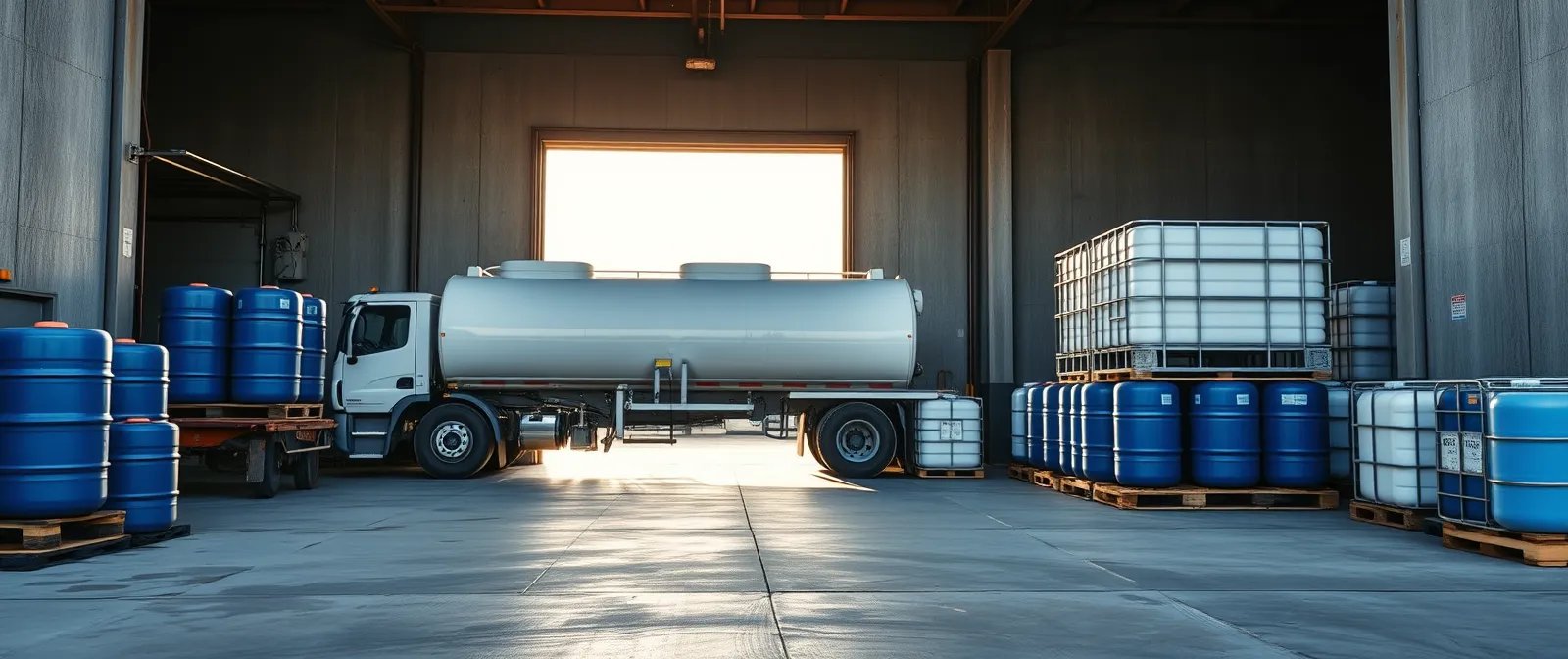
NTC supplies mineral spirits in drums, totes and bulk truck from distribution locations around the country and direct from chemical manufacturers. Request a quote with the type, quantity, packaging and delivery location, and browse the full industrial solvents category.
Frequently asked questions
Is odorless mineral spirits weaker than regular mineral spirits?
Generally yes. Removing aromatics reduces odor and also lowers solvency somewhat, so some heavy cleaning jobs work better with regular grades.
Is paint thinner the same as mineral spirits?
Many products sold as paint thinner are based on mineral spirits, but the term is general and some thinners contain other solvents.
What does Rule 66 mean?
It refers to a historic air-quality rule that limited the photochemically reactive content, mainly certain aromatics, of solvents. Rule 66 grades are made to meet those limits.
Can mineral spirits be used in water-based paint?
No. Mineral spirits do not mix with water. Water-based paints use water and water-compatible co-solvents.
Request a quote
Tell us the product, grade, quantity, packaging and delivery location through the quote form, email sales@nanotechnologychemicals.com or call 704-659-3682. All pricing is by quote.
NTC is based in the Charlotte, NC area and ships nationwide. Products ship from distribution locations around the country and also direct from chemical manufacturers. Browse the product categories or the industries we serve.