
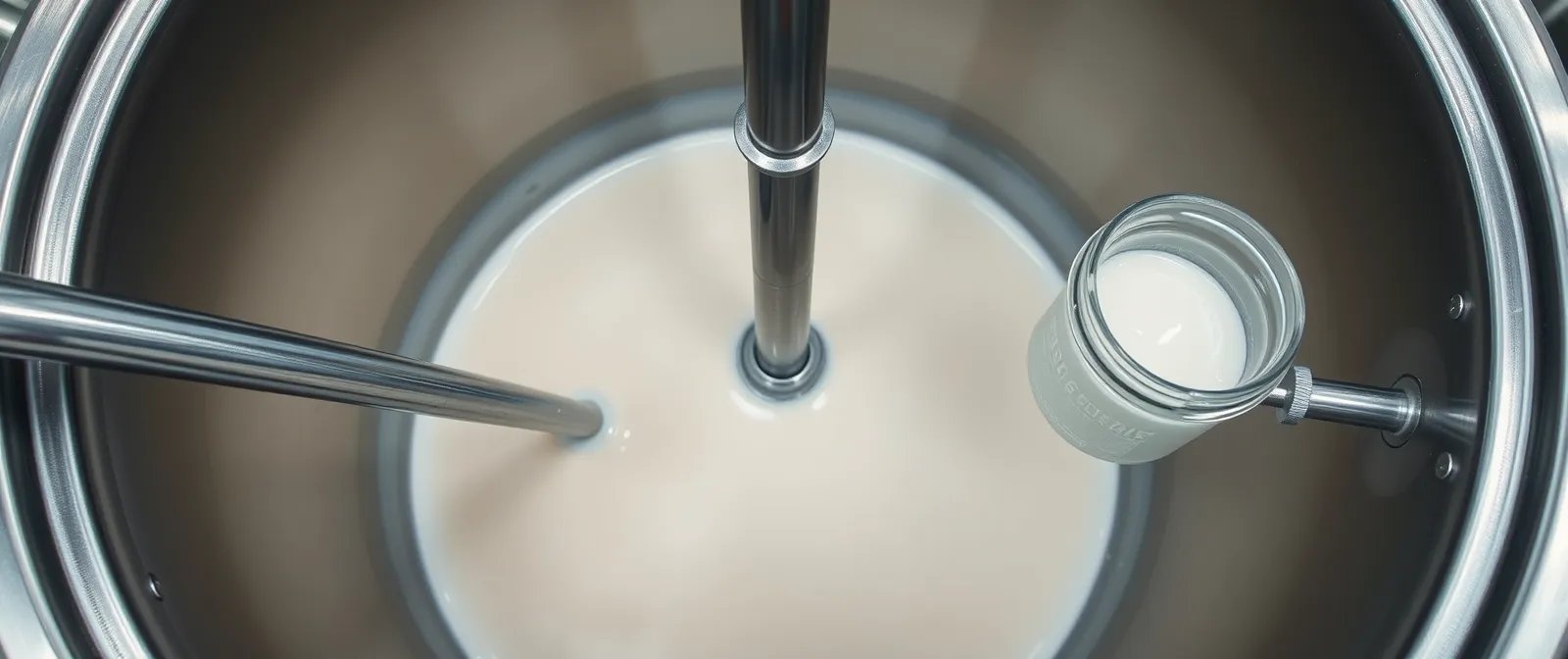
Non-phthalate plasticizers are alternatives to ortho-phthalates such as DINP and DIDP. The most common general-purpose option for PVC is DOTP (a terephthalate); DINCH is often chosen for sensitive applications; citrates such as ATBC and TEC are used in medical, food-contact and toy uses; benzoates suit adhesives, sealants and fast-fusing vinyl; and adipates add low-temperature flexibility.
Buyers move to non-phthalates for regulatory, customer or market reasons. The challenge is matching performance, processing and cost-in-use without reformulating the whole product.
Why are buyers moving to non-phthalate plasticizers?
Certain ortho-phthalates are restricted in some products and markets, particularly children's toys, childcare articles and some consumer products, and many brand owners set their own phthalate-free requirements. Even where ortho-phthalates remain permitted, customers may prefer alternatives. Check the regulations and customer specifications that apply to your product before choosing.
How do the main non-phthalate plasticizers compare?
- DOTP (dioctyl terephthalate): a general-purpose plasticizer for flexible PVC, cables, flooring and coated fabrics. It is a terephthalate, structurally different from ortho-phthalates, and is often the first replacement for DEHP or DINP.
- DINCH: a cyclohexane-based plasticizer used in medical devices, toys and food-contact applications where low migration and a strong safety profile are priorities.
- Citrates such as ATBC, triethyl citrate and tributyl citrate: used in toys, medical products, food packaging, nail care and pharmaceutical coatings.
- Benzoates such as dipropylene glycol dibenzoate and diethylene glycol dibenzoate: strong solvating plasticizers for adhesives, sealants, caulks and fast-fusing plastisols.
- Adipates and sebacates such as DOA and dibutyl sebacate: improve low-temperature flexibility, often in blends.
- Epoxidized soybean oil (ESO): a secondary plasticizer and heat stabilizer in PVC.
You can browse the full plasticizers category.
Can I swap a phthalate for DOTP directly?
DOTP is often close enough to start with a one-for-one replacement, but it is less solvating than some ortho-phthalates, so fusion temperature, processing time and hardness can change. Formulators sometimes add a small amount of a fast-fusing plasticizer, such as a benzoate, to restore processing. Run a trial and test hardness, tensile properties, low-temperature flexibility, volatility and migration against your current product.
What properties should I compare?
- Efficiency: how much plasticizer is needed for the target hardness.
- Solvating power and fusion: affects processing temperature and speed.
- Volatility and permanence: affects fogging, odor and service life.
- Low-temperature flexibility.
- Migration and extraction: important for food contact, medical and adhesives.
- Regulatory status for your end use.
Which industries use these plasticizers?
Flexible PVC products, wire and cable, flooring, roofing membranes, automotive interiors, coatings, adhesives and sealants, inks, and specialty uses in pharmaceutical and personal care products.
How should I run a plasticizer switch trial?
Keep the resin, stabilizer, filler and processing conditions the same and change only the plasticizer. Start with the replacement at the same parts per hundred resin (phr) as the current plasticizer, then adjust to reach the same hardness. Record fusion behavior, processing temperatures and any change in color or odor. Test aged samples as well as fresh ones, because volatility and migration show up over time. If your customers approve raw material changes, include them before production.
How are plasticizers supplied?
Plasticizers are liquids supplied in drums, totes and bulk truck. NTC supplies them from distribution locations around the country and also direct from chemical manufacturers. If you want to test several options, request samples and quotes for more than one product at the same time.
Frequently asked questions
Is DOTP a phthalate?
DOTP is a terephthalate. It is chemically different from ortho-phthalates such as DEHP and DINP, which is why it is widely used as a non-phthalate option.
Which plasticizer is used in medical devices?
DINCH and citrates such as ATBC are common in medical and other sensitive applications. Your device requirements and regulators decide.
Why add a benzoate to a DOTP formula?
Benzoates are strong solvators that help a plastisol fuse faster and at lower temperatures, offsetting DOTP's slower fusion.
Are bio-based plasticizers available?
Yes. Citrates and epoxidized soybean oil are made from renewable raw materials. See our sustainable products.
Request a quote
Tell us the product, grade, quantity, packaging and delivery location through the quote form, email sales@nanotechnologychemicals.com or call 704-659-3682. All pricing is by quote.
NTC is based in the Charlotte, NC area and ships nationwide. Products ship from distribution locations around the country and also direct from chemical manufacturers. Browse the product categories or the industries we serve.