
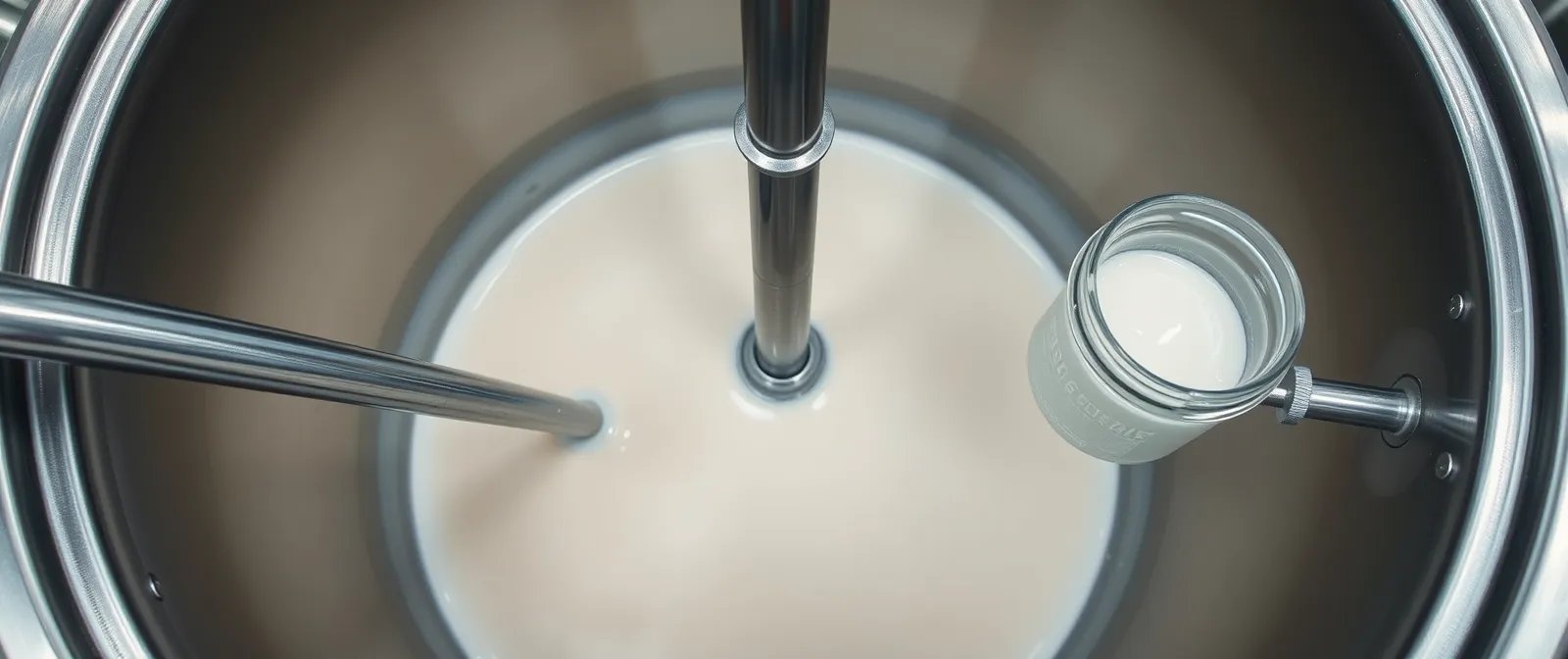
Ethylene glycol is the better heat-transfer fluid and is widely used in antifreeze and industrial cooling, but it is toxic if swallowed. Propylene glycol has much lower toxicity and is available in food and USP grades, so it is the usual choice wherever people, food or animals could be exposed, at the cost of somewhat lower heat-transfer performance and higher viscosity in cold conditions.
Both are clear, nearly odorless liquids that mix with water, and both are sold in industrial and specialty grades. The right one depends on where the fluid goes and what happens if it leaks.
What are ethylene glycol and propylene glycol used for?
- Ethylene glycol (MEG) is used in engine coolants, industrial heat-transfer loops, deicing fluids, and as a raw material for polyester resins and fibers.
- Propylene glycol (PG) is used in food and beverage processing, pharmaceuticals, personal care products, HVAC and process chillers near food, deicing, humectants and as a solvent or carrier.
Related glycols such as dipropylene glycol are common in fragrances and personal care.
Which glycol is better for heat transfer?
At the same concentration, ethylene glycol solutions generally transfer heat more efficiently and stay less viscous at low temperatures. That means smaller pumps or lower flow rates for the same duty. Propylene glycol solutions are more viscous, especially in the cold, so systems may need a slightly higher concentration or more pumping energy for the same freeze protection and performance.
For closed industrial loops with no chance of contact with food or drinking water, ethylene glycol is often chosen. For food plants, breweries, hospitals, schools and systems near potable water, propylene glycol is common.
Is propylene glycol safer than ethylene glycol?
Propylene glycol has much lower toxicity, which is why food and USP grades exist and are used in food, drugs and cosmetics. Ethylene glycol is harmful or fatal if swallowed, and spills must be handled with care around people and animals. Both should be stored, labeled and handled according to their Safety Data Sheets. A lower-toxicity product is not hazard-free; follow the SDS for PPE, spill response and disposal.
Should I buy inhibited or uninhibited glycol?
For heat-transfer systems, glycol is normally used with corrosion inhibitors that protect metals in the loop. Uninhibited glycol mixed with water can become corrosive over time as it degrades. Many buyers use a pre-inhibited heat-transfer fluid rather than adding inhibitors themselves. Uninhibited glycol is used as a raw material and in applications where inhibitors are not wanted. Tell us the application so we quote the right product.
What grade of propylene glycol do I need?
- Industrial grade for deicing, heat transfer and industrial formulations.
- USP grade for food, pharmaceutical, personal care and nutraceutical applications, typically with a lot-specific COA.
See our guide to chemical grades and the food ingredients and beauty and personal care industry pages.
How should glycol be stored?
Store glycols in closed containers to limit water pickup, away from strong oxidizers, and in line with the SDS. Both are commonly supplied in drums, totes and bulk truck. In very cold conditions, concentrated glycols thicken, so plan pumping and unloading accordingly.
How do I choose between them?
- If the fluid could contact food, potable water, people or animals, start with propylene glycol.
- If the loop is closed, industrial and performance-critical, ethylene glycol is often the efficient choice.
- Check your equipment manufacturer's recommendations and any local rules.
- Decide whether you need an inhibited fluid.
NTC supplies glycols from distribution locations around the country and direct from chemical manufacturers. Request a quote with the grade, concentration, packaging and delivery location. For data center cooling loops, see our data centers industry page.
Frequently asked questions
Can I mix ethylene glycol and propylene glycol?
They are chemically compatible, but mixing them in a heat-transfer system makes the concentration hard to test and can conflict with inhibitor packages. Most system owners drain and refill rather than mix.
What concentration of glycol should I use?
It depends on the lowest temperature the system will see and the equipment requirements. Use your equipment manufacturer's freeze-protection guidance.
Is propylene glycol food safe?
USP and food grades of propylene glycol are used in food, drugs and cosmetics. Industrial grades are not intended for those uses.
Is glycol sold as a concentrate or premix?
Both. Concentrate is the most common, and some heat-transfer fluids are sold pre-diluted. Ask us which suits your system.
Request a quote
Tell us the product, grade, quantity, packaging and delivery location through the quote form, email sales@nanotechnologychemicals.com or call 704-659-3682. All pricing is by quote.
NTC is based in the Charlotte, NC area and ships nationwide. Products ship from distribution locations around the country and also direct from chemical manufacturers. Browse the product categories or the industries we serve.