
The best coagulant for a water treatment system is the one that removes turbidity, color and other targets at the lowest dose and sludge volume for your raw water, and the only reliable way to find it is a jar test. As a starting point, alum is a widely used general coagulant, ferric chloride works across a wider pH range and is often used for phosphorus removal, and polyaluminum chloride (PAC) or aluminum chlorohydrate (ACH) consume less alkalinity and often perform better in cold water.
Coagulants neutralize the charge on small suspended particles so they can clump into flocs that settle or filter out. Choosing well affects chemical use, pH adjustment, sludge handling and finished water quality.
What are the main types of coagulants?
- Alum (aluminum sulfate): a long-established coagulant for drinking water and wastewater. It lowers pH and consumes alkalinity as it reacts.
- Ferric chloride and ferric sulfate: iron-based coagulants that work over a broad pH range and are widely used in wastewater and for phosphorus removal. They are corrosive and can stain.
- Polyaluminum chloride (PAC) and aluminum chlorohydrate (ACH): pre-polymerized aluminum coagulants that typically consume less alkalinity and often work well in cold or low-turbidity water.
- Organic coagulants such as polyamines and DADMAC, often used alone or blended with inorganic coagulants.
See the full water treatment chemicals category for related products.
How does raw water chemistry affect the choice?
Key factors are pH, alkalinity, temperature, turbidity, color and organic content. Low-alkalinity water may need added alkalinity with alum, which adds caustic soda, lime or soda ash to the chemical program. Cold water slows floc formation, which is one reason PAC is popular in northern plants. High organic content and color often respond well to iron coagulants or to enhanced coagulation at a lower pH.
What is a jar test and why does it matter?
A jar test simulates the treatment process in a row of beakers. Each jar gets a different coagulant or dose, followed by rapid mixing, slow mixing and settling. Operators compare settled turbidity, floc size, pH and sometimes filterability. A jar test shows which product and dose give the result you need before you change the full plant. Repeat jar tests when the raw water changes with the season.
How do coagulants affect sludge and handling?
Different coagulants produce different sludge volumes and characteristics, which affects dewatering and disposal costs. Pre-polymerized products often produce less sludge than alum for the same treatment. Handling also differs: ferric chloride is very corrosive and needs compatible tanks, pumps and piping; aluminum products are acidic and also need proper materials. Always follow the SDS and confirm material compatibility before switching products in existing equipment.
When should a flocculant be added?
Coagulants destabilize particles; flocculants, usually high-molecular-weight polymers such as anionic or cationic polymers, help small flocs grow into larger ones that settle faster. Many plants use both. The jar test should include the flocculant and its dose.
Which industries use coagulants?
Municipal drinking water and wastewater plants, food and beverage plants, mining, pulp and paper, and many manufacturers treating process water or effluent. Our water treatment industry page covers the wider chemical program, including pH control, disinfection and scale control.
How are coagulants supplied?
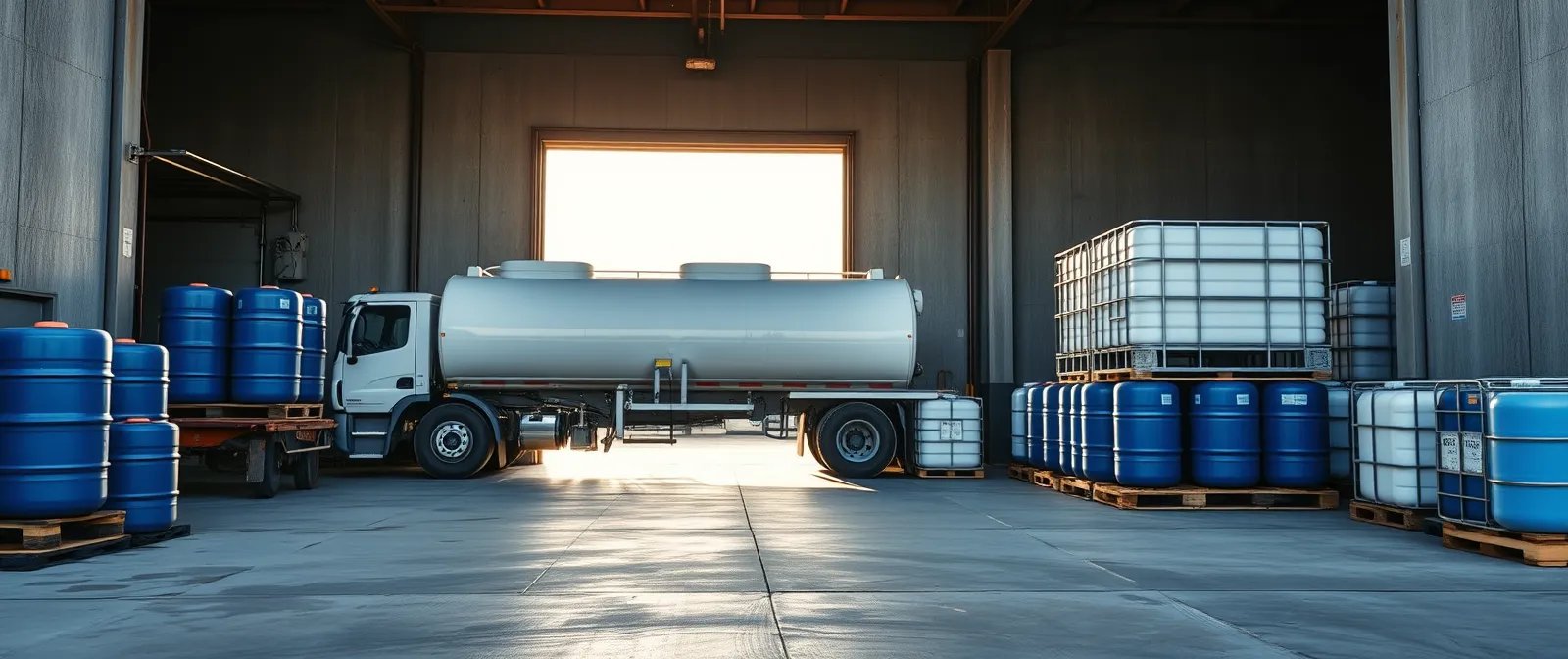
Liquid coagulants are commonly delivered in totes and bulk truck, with some available in drums. NTC supplies water treatment chemicals from distribution locations around the country and also direct from chemical manufacturers, so plants can keep consistent supply. Request a quote with the product, strength, volume and delivery location.
Frequently asked questions
Is PAC better than alum?
Not always. PAC often uses less alkalinity, produces less sludge and performs better in cold water, but alum remains effective and widely used. A jar test on your water decides.
Why does alum lower pH?
Alum reacts with alkalinity in the water to form aluminum hydroxide floc, which consumes alkalinity and lowers pH. Low-alkalinity waters may need alkalinity added.
Can ferric chloride remove phosphorus?
Iron and aluminum coagulants are both used to precipitate phosphorus in wastewater. The dose depends on the phosphorus load and the discharge limit.
How often should we jar test?
Whenever raw water quality changes noticeably, and routinely as part of plant operation. Seasonal changes in temperature and turbidity often call for adjustment.
Request a quote
Tell us the product, grade, quantity, packaging and delivery location through the quote form, email sales@nanotechnologychemicals.com or call 704-659-3682. All pricing is by quote.
NTC is based in the Charlotte, NC area and ships nationwide. Products ship from distribution locations around the country and also direct from chemical manufacturers. Browse the product categories or the industries we serve.