
The right chemical packaging is the largest container you can receive, store, unload and use up safely before the product reaches the end of its shelf life. For most plants that means drums or pails for low-volume materials, IBC totes for steady mid-volume use, and bulk truck or rail once usage is high and you have a suitable storage tank.
Packaging affects more than the delivered quantity. It changes how often you reorder, how much labor goes into handling, how much residue is left behind and what your receiving team needs on the dock. This guide explains each option and how to decide.
What packaging options are available for industrial chemicals?
Depending on the product, chemicals are commonly supplied in:
- Bags and supersacks for powders, flakes, pellets and granules. Bags are often palletized; supersacks (bulk bags) hold far more and need a hoist or forklift to discharge.
- Pails (typically around 5 gallons) for small users, lab work, maintenance chemicals and trials.
- Drums, usually 55 gallons, in steel or plastic depending on the chemistry.
- IBC totes, commonly in the 275 to 330 gallon range, with a bottom valve for gravity or pump discharge.
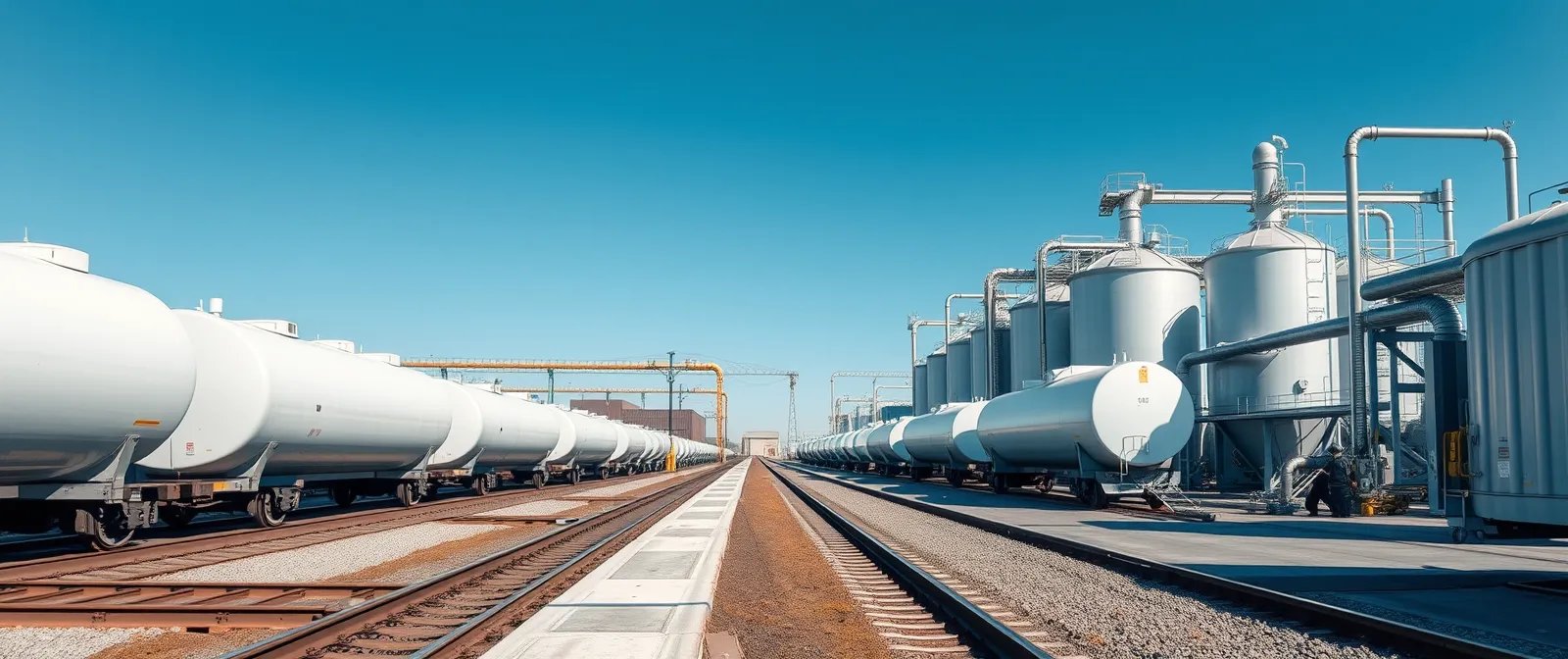
- Bulk truck and rail for high-volume users with a receiving tank, unloading connection and procedures in place.
Not every product is offered in every package. Some chemicals are only practical in certain containers because of their hazard class, freezing point, viscosity or reactivity. Our product categories list what we supply, and the quote confirms the packaging available for your product.
How do I choose between drums and totes?
Start with how fast you use the product. A useful rule is to buy a package size you will empty well within the product's shelf life and before it causes storage problems. Then consider:
- Handling equipment. Drums can be moved with a drum dolly or drum handler; totes need a forklift with enough capacity and a clear path.
- Dispensing. Totes drain through a bottom valve, which suits metering into a process. Drums usually need a drum pump.
- Residue and disposal. One tote replaces several drums, which means fewer containers to empty, rinse, return or dispose of.
- Floor space. Totes stack and store efficiently, but each one is a large single quantity in one place, which matters for spill containment.
If you are unsure, start with the smaller pack while you confirm usage, then move up once the numbers are clear.
When does bulk truck or rail make sense?
Bulk delivery makes sense when you use a product steadily, in volumes large enough to fill a tank truck or railcar within a reasonable time, and you already have (or can install) a properly designed storage tank. You need an unloading area, the right connections, secondary containment and trained people to supervise each unloading.
Bulk usually removes the container handling and disposal work entirely, but it moves the responsibility to your tank: level monitoring, inspections and cleaning. Our chemical supply chain management service can help plan scheduled bulk deliveries so the tank never runs low.
What safety and regulatory factors affect packaging?
Hazardous materials must be shipped in packaging approved for that material and that quantity, with the correct labels and markings. Your receiving team also needs to follow the Safety Data Sheet for storage and compatibility. Read our guide to reading an SDS before buying a chemical and our overview of shipping hazardous chemicals.
Temperature matters too. Some products thicken or solidify in cold weather, so a tote stored outdoors in winter may not drain. Ask about heated storage or a different pack size if that applies to you.
Can I get a different pack size than the manufacturer ships?
Often, yes. If the standard package does not suit your plant, chemical repackaging can move product from bulk into smaller containers, or consolidate several products into a single delivery. That is useful for lab, pilot and maintenance quantities.
How does packaging affect delivery and lead time?
Packaging can change where the product ships from and how quickly it arrives. NTC supplies products from distribution locations around the country and also direct from chemical manufacturers, depending on the product, the quantity and the packaging. Drums and totes of common products are often available from a regional stocking location, while full truckloads and rail cars are frequently shipped direct from the producer. Lead times and freight are confirmed on each quote. See nationwide chemical distribution for how we deliver to all 50 states.
Frequently asked questions
How many gallons are in a standard chemical drum?
The most common industrial drum holds 55 gallons, although smaller drums are also used. The exact net weight depends on the product's density, so quotes usually state net weight per drum.
What is an IBC tote?
An intermediate bulk container (IBC) is a large reusable container, commonly 275 to 330 gallons, in a pallet-based cage with a bottom valve. It suits plants that use a product steadily but not at full-truckload volumes.
Is bulk delivery always cheaper per pound?
Larger packages often lower the cost per unit, but you have to account for tank costs, inspections and the risk of holding too much product. Ask us to quote more than one package size so you can compare.
Can NTC ship mixed orders of drums and totes?
Yes. We can combine several products and pack sizes on one order where the products are compatible for transport. Tell us what you need on the quote request.
Request a quote
Tell us the product, grade, quantity, packaging and delivery location through the quote form, email sales@nanotechnologychemicals.com or call 704-659-3682. All pricing is by quote.
NTC is based in the Charlotte, NC area and ships nationwide. Products ship from distribution locations around the country and also direct from chemical manufacturers. Browse the product categories or the industries we serve.