
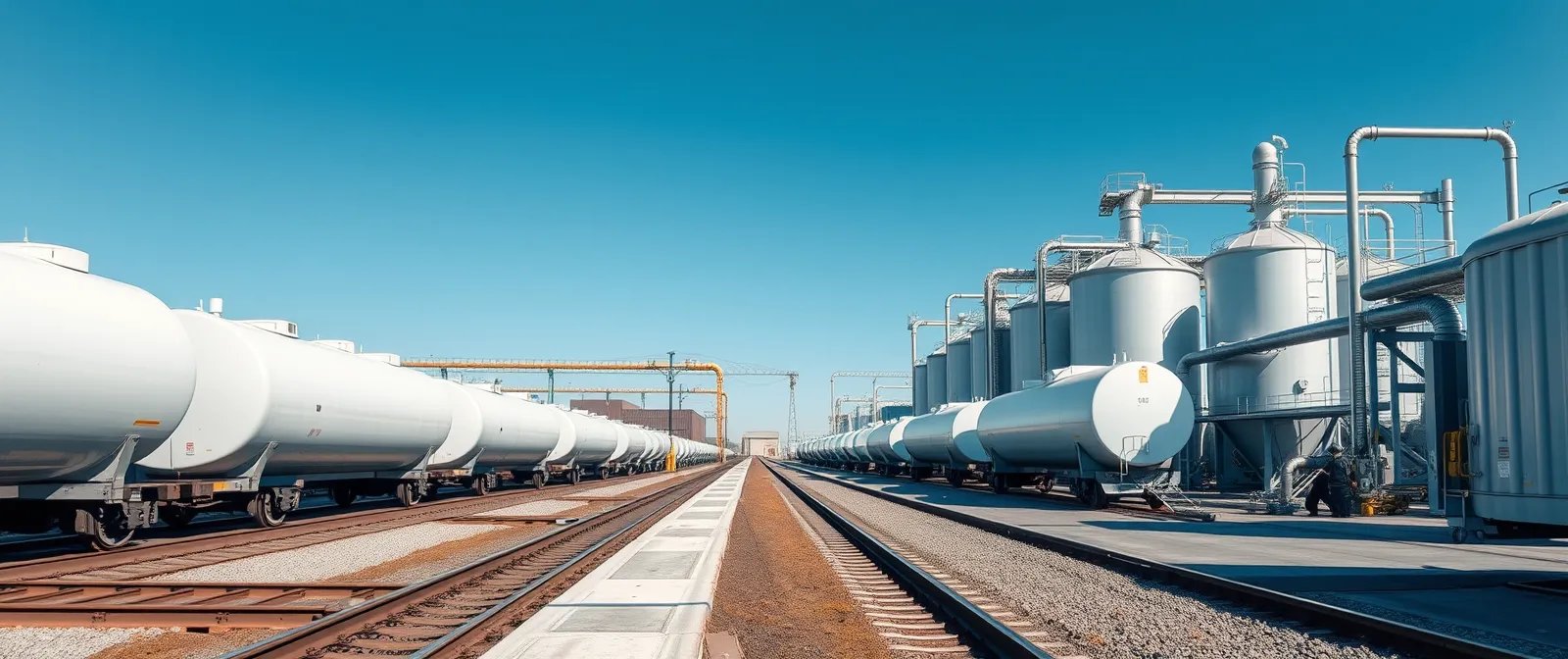
Hazardous chemicals can be shipped by truck, rail, ocean and air, but each shipment has to be classified, packaged, marked, labeled and documented under the hazardous materials rules for that mode. In the US, ground shipments follow the Department of Transportation's Hazardous Materials Regulations (49 CFR); international ocean and air shipments follow the IMDG Code and IATA rules. As a buyer, you mainly need to give your supplier accurate delivery details and be ready to receive the shipment safely.
Understanding the basics helps you plan lead times, avoid delivery problems and keep your receiving team safe.
What makes a chemical a hazardous material for shipping?
A chemical is regulated for transport when it meets the criteria for one of nine hazard classes:
- Explosives
- Gases
- Flammable liquids
- Flammable solids and related materials
- Oxidizers and organic peroxides
- Toxic and infectious substances
- Radioactive materials
- Corrosives
- Miscellaneous hazardous materials
Many common industrial chemicals fall into Class 3 (for example many solvents) or Class 8 (for example many acids and alkalis). Section 14 of the Safety Data Sheet shows the transport classification. Our guide to reading an SDS explains where to look.
What do UN numbers and packing groups mean?
Each regulated material is assigned a four-digit UN number and a proper shipping name. Packing groups (I, II and III) indicate the degree of danger, with I being the highest. Together they decide what packaging is allowed, how much can go in each package, which labels and placards are needed and how the shipment can travel.
What documents travel with a hazardous shipment?
Hazmat shipments travel with shipping papers describing the material (UN number, proper shipping name, hazard class, packing group and quantity) and emergency response information. Packages carry hazard labels and markings; larger shipments carry placards on the vehicle. Bulk shipments have additional requirements for the tank or container.
Does packaging change for hazardous chemicals?
Yes. Packaging must be approved for the specific material and packing group, which is why some products are only offered in certain drums, totes or bulk trailers. See drums, totes or bulk truck for how packaging affects your choice.
What should my team do when a hazmat shipment arrives?
- Confirm the paperwork, labels and quantity match the order.
- Inspect packages for leaks or damage before unloading.
- Unload with suitable equipment and PPE from the SDS.
- Move the product to compatible storage promptly; see our guide to receiving and storing drums and totes.
- Report damaged or leaking shipments before signing without comment.
Anyone who prepares hazmat for shipment, including returning empty containers that held hazardous materials, generally needs hazmat training. Check with your safety team before reshipping anything.
What should I tell my supplier when ordering?
Give the full delivery address, receiving hours, whether a liftgate or dock is available, any site restrictions, and a contact name and phone number for the delivery. For bulk deliveries, confirm the unloading connection and tank capacity. That information lets the carrier plan the right equipment and avoids failed deliveries.
Do hazardous chemicals take longer to ship?
They can. Some carriers limit which hazmat classes they carry, some routes or tunnels have restrictions, and certain materials need specialized trailers. Shipping from a location close to you can shorten transit. NTC supplies products from distribution locations around the country and also direct from chemical manufacturers, so we can often choose a shipping point that suits the product and your site. Lead times and freight are confirmed on each quote; see nationwide chemical distribution.
How do international hazmat shipments work?
Ocean shipments follow the IMDG Code and air shipments follow IATA Dangerous Goods Regulations, with documentation such as a dangerous goods declaration. Some materials cannot travel by passenger aircraft or at all by air. See international chemical export and our guide to exporting chemicals from the US.
Frequently asked questions
Where do I find the shipping classification of a chemical?
In Section 14 of the Safety Data Sheet, which lists the UN number, proper shipping name, hazard class and packing group.
Can hazardous chemicals be delivered to a residential address?
Many carriers restrict hazmat deliveries to commercial addresses with suitable receiving. Ask before ordering.
Does a small quantity avoid hazmat rules?
Some materials qualify for limited quantity or other exceptions, which reduce certain requirements, but they are still regulated. Your supplier will apply the correct rules.
Can I return empty hazmat containers?
Empty containers that held hazardous materials may still be regulated until cleaned. Check with your safety team and supplier before shipping them.
Request a quote
Tell us the product, grade, quantity, packaging and delivery location through the quote form, email sales@nanotechnologychemicals.com or call 704-659-3682. All pricing is by quote.
NTC is based in the Charlotte, NC area and ships nationwide. Products ship from distribution locations around the country and also direct from chemical manufacturers. Browse the product categories or the industries we serve.